Introduction
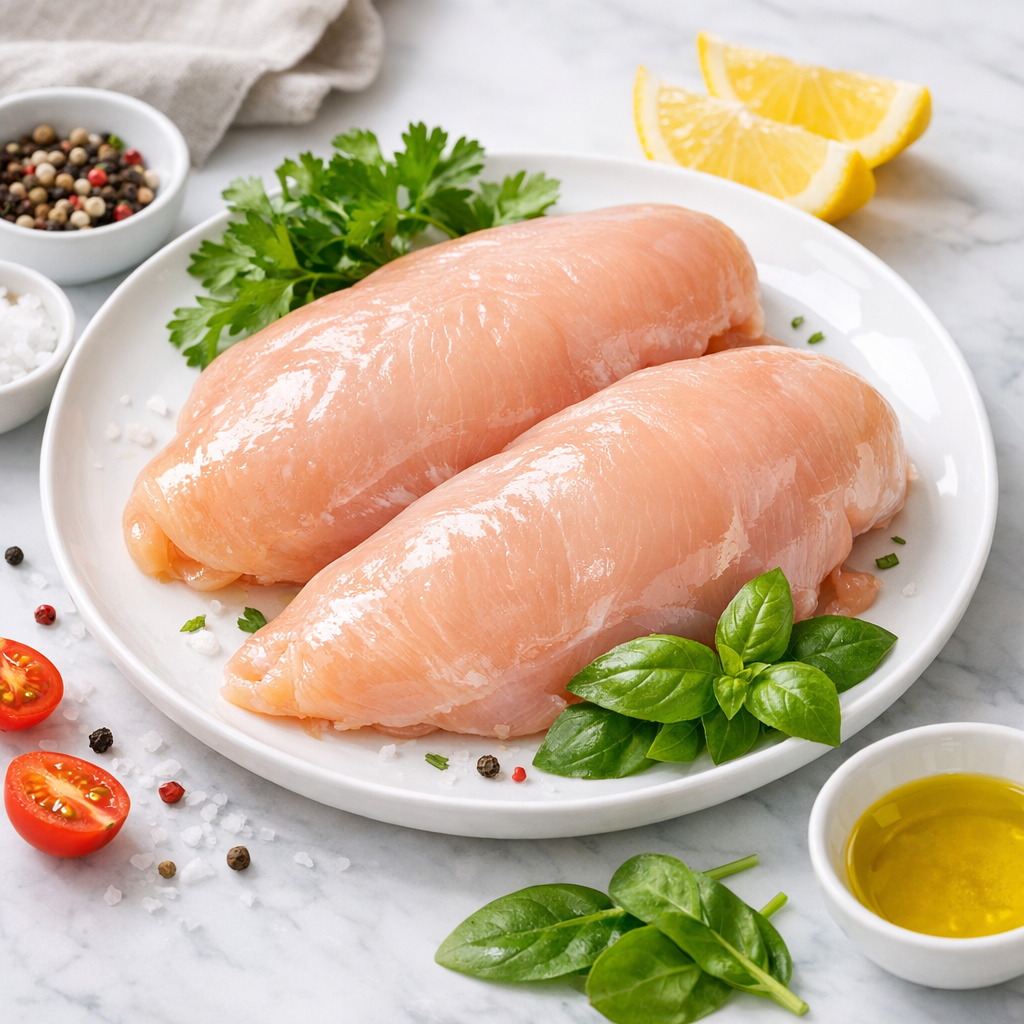
If you’ve ever stood in front of the fridge at 6:30 pm, hungry and tired, thinking, “I just need something easy that still feels like I’m doing my body a favor,” chicken breast has probably crossed your mind. It’s one of those foods that shows up everywhere—meal prep containers, family dinners, gym lunches, quick salads—and yet it still manages to spark debate: Is it actually that healthy? Is it boring? Does it really help with weight goals, muscle building, or simply eating better without overthinking it? 🍗
Here’s the truth: chicken breast is popular for a reason. It’s naturally high in protein, relatively low in fat (especially if you remove the skin), and incredibly versatile—meaning it can fit into all kinds of cuisines, budgets, and schedules. But nutrition isn’t just about “protein = good.” The way you cook it, what you pair it with, and how it fits into your day-to-day life matters just as much as the numbers on a label.
In this article, we’ll break down chicken breast nutrition in a practical, no-stress way: what you’re really getting in a typical serving (think both cooked and raw weights, like 100 g / 3.5 oz and an easy “one palm-sized piece”), plus key nutrients beyond protein. We’ll also talk about the benefits—like supporting muscle repair, keeping you fuller for longer, and helping you build balanced meals—without pretending it’s a magical superfood. 💪
And because nobody wants dry, bland chicken (we’ve all been there), we’ll cover the best ways to enjoy it: simple cooking methods that keep it juicy, smart flavor boosters, and easy meal ideas for different goals—whether you’re trying to lose weight, eat more protein, or just get dinner on the table fast. We’ll also touch on portion tips, food safety basics, and how to pair chicken breast with fiber-rich carbs and colorful veggies for a meal that actually satisfies. 🥗
Let’s make chicken breast feel less like “diet food” and more like a reliable, delicious staple you can truly enjoy.
📊 Complete Nutritional Analysis
Per 100g:
🔥 Calories: 165 kcal
🍚 Carbohydrates: 0g
💪 Protein: 31g
🥑 Fat: 3.6g
🍬 Sugar: 0g
🌾 Fiber: 0g
🧂 Sodium: 74mg
🩸 Cholesterol: 85mg
Chicken breast (per 100g, cooked/roasted, meat only) is a lean, high-protein food with virtually no carbohydrates or fiber. It delivers about 31g protein for 165 kcal, making it a favorite for muscle maintenance, fat-loss phases, and generally filling meals. The fat content is low (around 3.6g) and mostly unsaturated, though it does contain some cholesterol. What really stands out is its B-vitamin profile—especially niacin and vitamin B6—which helps your body use protein efficiently and supports energy metabolism and the nervous system. It also provides selenium and phosphorus for antioxidant protection, thyroid support, and bone health. Sodium is moderate in plain cooked chicken, but it can jump quickly with brining, marinades, or processed products, so seasoning at home gives you more control. For the tastiest, healthiest plate, pair chicken breast with colorful vegetables and a source of healthy fats (like olive oil or avocado) to boost flavor and nutrient absorption.
Key Vitamins
Niacin (Vitamin B3): 13.7mg (86% DV)
Niacin helps your body turn the food you eat into usable energy, which is especially important for active days and steady metabolism. It supports healthy skin and the nervous system, and it plays a role in DNA repair and cell signaling. Chicken breast is one of the richest everyday sources of niacin, making it a reliable way to boost B-vitamin intake without adding carbs.
Vitamin B6 (Pyridoxine): 0.64mg (38% DV)
Vitamin B6 is a behind-the-scenes helper for protein metabolism—great news when chicken breast is your main protein. It supports the production of neurotransmitters (which affect mood and focus) and helps your body make hemoglobin for oxygen transport in the blood. B6 also contributes to immune function, making it a useful nutrient to prioritize in balanced, high-protein meals.
Pantothenic acid (Vitamin B5): 1.0mg (20% DV)
Vitamin B5 is essential for making coenzyme A, a compound your body uses to break down fats and carbohydrates for energy. It also supports the creation of certain hormones and helps with normal skin barrier function. While many foods contain some B5, chicken breast offers a meaningful amount in a lean, versatile package that fits easily into everyday cooking.
Riboflavin (Vitamin B2): 0.12mg (9% DV)
Riboflavin supports energy production in your cells and helps protect them from oxidative stress through its role in antioxidant systems. It also contributes to healthy skin and vision. Chicken breast isn’t the top source compared with dairy or eggs, but it still adds a helpful amount—especially if you’re building meals around lean proteins and want a little extra B-vitamin coverage.
Essential Minerals
Selenium: 27.6µg (50% DV)
Selenium is a key mineral for your body’s antioxidant defenses, helping protect cells from damage during normal metabolism and exercise. It’s also important for thyroid hormone function, which influences energy levels and temperature regulation. Chicken breast is a strong selenium source, making it a smart choice when you want a nutrient-dense protein that supports immunity and overall metabolic health.
Phosphorus: 223mg (18% DV)
Phosphorus works closely with calcium to build and maintain strong bones and teeth, but it also has a big role in energy production (ATP—your body’s energy currency). It supports cell membrane structure and helps maintain normal acid–base balance. Chicken breast provides a solid amount, which can be helpful for active people and anyone focusing on high-protein meals.
Potassium: 256mg (5% DV)
Potassium helps regulate fluid balance and supports healthy blood pressure by counteracting the effects of sodium. It’s also essential for muscle contraction and nerve signaling—important whether you’re working out or just staying active through the day. Chicken breast contributes some potassium, and it pairs well with potassium-rich sides like beans, leafy greens, potatoes, or bananas.
Zinc: 1.0mg (9% DV)
Zinc supports immune function, wound healing, and normal taste and smell. It’s also involved in protein synthesis and cell division, which makes it especially relevant when you’re eating chicken breast for muscle repair and recovery. While red meat and shellfish are higher in zinc, chicken breast still adds a useful amount—particularly in diets that limit other animal foods.
💚 Health Benefits
1. Supports Muscle Maintenance and Repair
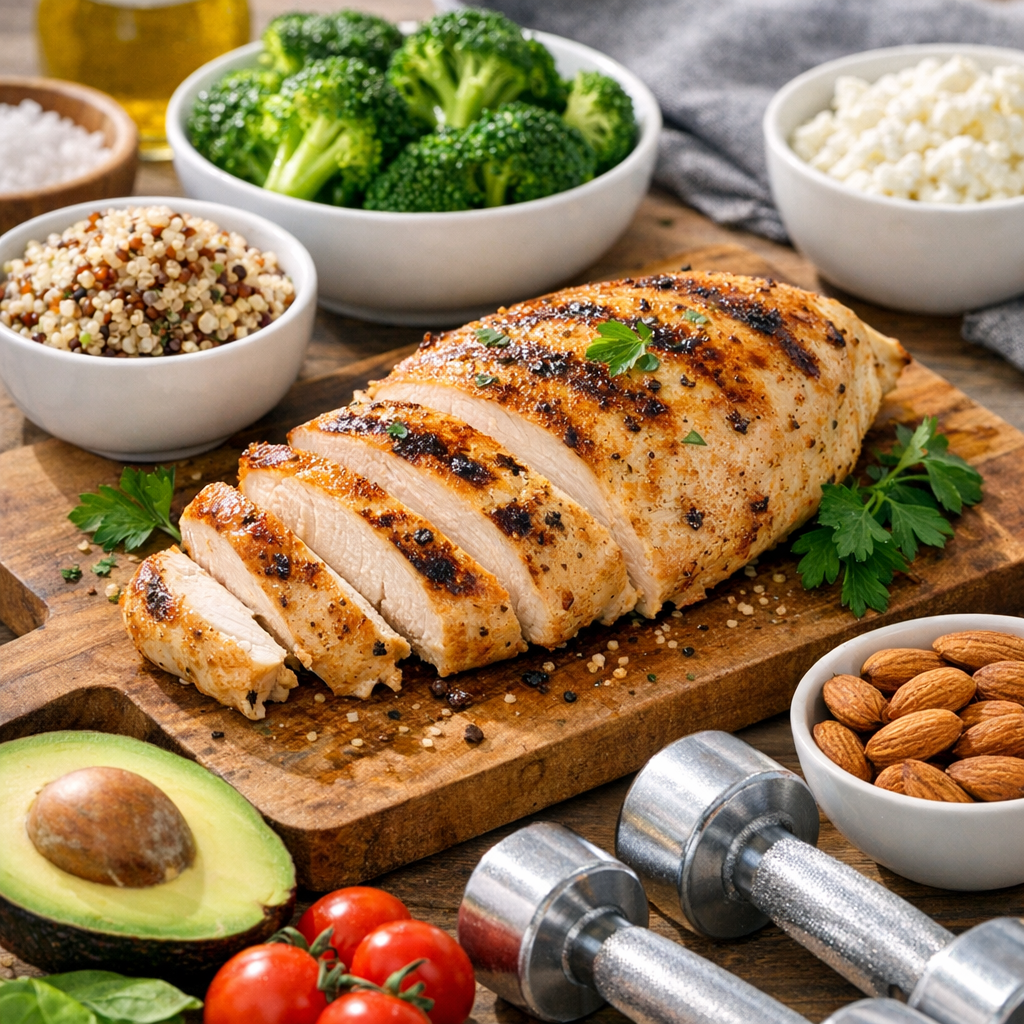
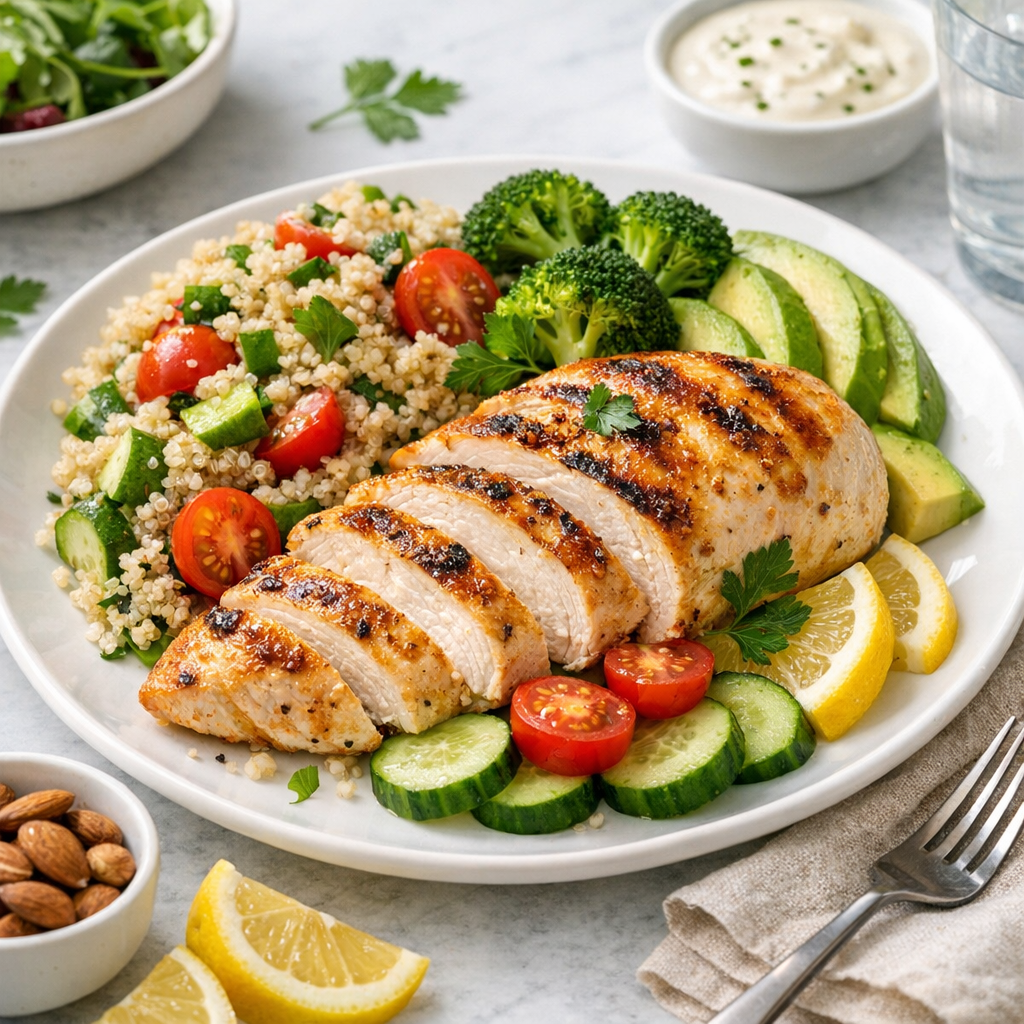
Chicken breast is best known for being a lean, high-quality protein source, which is a big deal for maintaining and repairing muscle. Protein provides amino acids—the building blocks your body uses to rebuild muscle tissue after exercise, support everyday movement, and help preserve muscle as you age. This matters whether you lift weights, walk a lot for work, or simply want to stay strong and steady over time.
Chicken breast contains all nine essential amino acids, making it a “complete” protein. Research consistently shows that diets with adequate protein support muscle protein synthesis (the process of building muscle proteins) and help reduce loss of lean mass, especially when paired with resistance training. Practically, including chicken breast at meals can make it easier to hit daily protein targets without adding much saturated fat.
Easy tip: aim for a palm-sized portion per meal. A cooked serving around 100–120 g (3.5–4 oz) typically provides roughly 30–35 g of protein, which is a useful “anchor” for muscle-focused meals. Pair it with a carb source (like rice or potatoes) and colorful vegetables to support recovery and overall nutrition.
If you’re managing appetite, protein also tends to be more filling than carbs or fats, which can help you feel satisfied after meals.
Key Nutrients: Complete protein (essential amino acids, including leucine), Vitamin B6, Niacin (vitamin B3), Phosphorus
2. Helps with Healthy Weight Management and Satiety
Chicken breast can be a helpful ally for weight management because it’s high in protein while being relatively low in calories and saturated fat (especially when skinless). Protein has a strong effect on fullness: it slows digestion, supports steady energy, and can reduce the urge to snack soon after eating. This doesn’t mean chicken is a “magic” weight-loss food—overall diet quality and portion sizes still matter—but it can make balanced eating feel easier.
From a science perspective, higher-protein eating patterns often improve satiety and can help preserve lean mass during calorie reduction. Preserving muscle is important because muscle tissue is metabolically active and supports strength and long-term weight maintenance. Chicken breast fits well into this approach because it delivers a lot of protein per bite.
Practical ways to use it: build a plate with 1/4 lean protein (chicken), 1/4 high-fiber carbs (beans, whole grains, or starchy veg), and 1/2 non-starchy vegetables. This combination tends to be both satisfying and nutrient-dense. Cooking method matters too—grilling, baking, air-frying, or poaching keeps calories in check compared with deep-frying.
For flavor without heavy sauces, try spices, lemon, garlic, yogurt-based marinades, or a drizzle (1–2 tsp / 5–10 mL) of olive oil after cooking.
Key Nutrients: Protein, Low saturated fat (when skinless), B vitamins (B3, B6), Water content (helps volume/satiety)
3. Supports Red Blood Cell Formation and Oxygen Transport
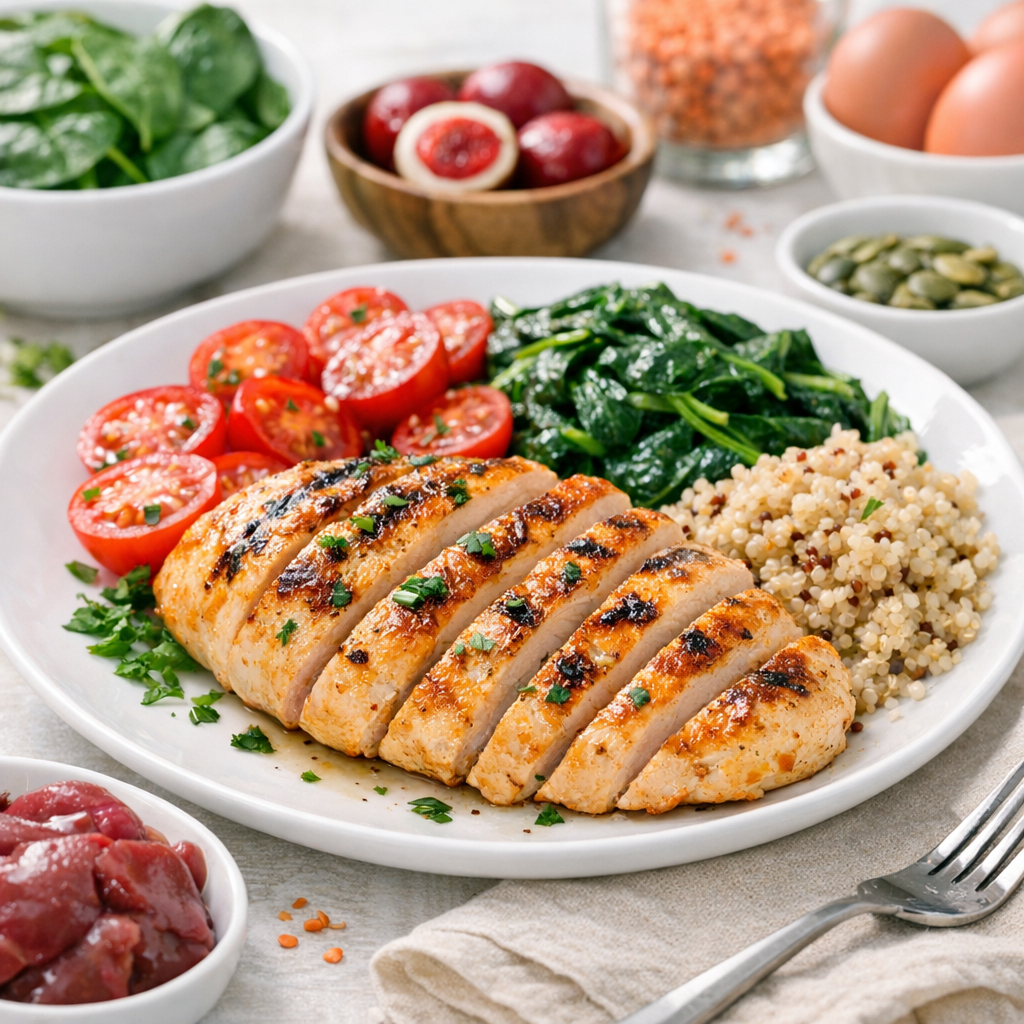
Feeling energetic isn’t just about sleep and caffeine—your red blood cells also play a major role because they carry oxygen around the body. Chicken breast contributes nutrients that support red blood cell production and healthy oxygen transport, which can matter for everyday stamina and exercise performance.
Two key nutrients here are vitamin B12 and iron. Vitamin B12 is essential for forming healthy red blood cells and supporting the nervous system. Iron is a core part of hemoglobin, the protein in red blood cells that binds oxygen. While chicken breast isn’t as iron-rich as red meat, it does provide heme iron (the type found in animal foods), which is generally absorbed better than non-heme iron from plants.
Chicken also provides vitamin B6, which plays a role in hemoglobin synthesis, and folate is often obtained from the plant foods you pair with chicken (like leafy greens or beans). Together, these nutrients support healthy blood cell turnover.
Practical tip: if you’re trying to improve iron status, pair chicken with vitamin C-rich foods (bell peppers, citrus, tomatoes) to support iron absorption—especially helpful if the meal also includes plant-based iron sources like lentils or spinach. If you suspect iron deficiency (fatigue, pale skin, shortness of breath), it’s best to check with a healthcare professional before supplementing.
Key Nutrients: Vitamin B12, Heme iron, Vitamin B6, Niacin (vitamin B3)
4. Promotes Healthy Metabolism and Energy Release
Chicken breast provides several B vitamins that help your body convert the food you eat into usable energy. This isn’t the same as “giving energy” like a stimulant—rather, these vitamins act as helpers (coenzymes) in metabolic pathways that break down carbohydrates, fats, and proteins.
Niacin (vitamin B3) and vitamin B6 are especially notable in chicken breast. Niacin supports energy metabolism and is involved in DNA repair and cell signaling. Vitamin B6 helps with amino acid metabolism and supports neurotransmitter production, which can influence mood and brain function. Riboflavin (B2) and pantothenic acid (B5) may also be present in smaller amounts, depending on the cut and preparation.
For a practical, energy-supportive meal, chicken works well with slow-digesting carbs (brown rice, oats, quinoa, sweet potatoes) and fiber-rich vegetables. This kind of plate can help you avoid the “spike and crash” feeling some people get from refined carbs alone.
Another bonus: because chicken breast is lean, it’s easy to tailor meals to your energy needs—add extra healthy fats (avocado, olive oil, nuts) if you need more calories, or keep it lighter with veggie-forward sides if you’re watching intake.
Key Nutrients: Niacin (vitamin B3), Vitamin B6, Riboflavin (vitamin B2), Pantothenic acid (vitamin B5)
5. Supports Bone Health and Tissue Structure
When people think “bone health,” they often jump straight to calcium, but protein and key minerals matter too. Chicken breast contributes protein plus minerals like phosphorus and selenium that support overall body structure and maintenance.
Protein is part of the matrix that gives bones their framework. Research suggests adequate protein intake supports bone health, especially when calcium and vitamin D intake are also sufficient. In other words, protein isn’t just for muscles—it helps maintain the tissues that keep you moving confidently.
Phosphorus is another important piece. It’s a major mineral in bones and teeth and also plays roles in energy production (ATP) and cell membranes. Chicken breast is a meaningful dietary source of phosphorus for many people.
Selenium, found in chicken, supports antioxidant systems in the body and is involved in thyroid hormone metabolism; indirectly, healthy thyroid function helps regulate bone turnover and overall metabolism.
Practical tip: build “bone-smart” meals by pairing chicken with calcium-rich sides (yogurt-based sauce, fortified plant milk in a smoothie, or leafy greens like kale) and getting regular weight-bearing activity. Even simple habits—like brisk walking and a couple of strength sessions per week—work beautifully alongside a protein-rich diet.
Key Nutrients: Protein, Phosphorus, Selenium, Zinc (small to moderate amounts)
6. Supports Immune Function and Recovery
Your immune system relies on many nutrients working together, and chicken breast contributes several that support immune defenses and recovery from everyday stressors (like intense workouts, busy schedules, or not-so-great sleep).
Protein is foundational because your body uses amino acids to build immune cells and signaling molecules. If protein intake is consistently too low, immune function can suffer. Chicken breast makes it easy to meet protein needs without a lot of extra saturated fat.
Chicken also provides selenium and zinc (amounts vary by cut and serving size). Selenium supports antioxidant enzymes that help protect cells from oxidative stress. Zinc is involved in the development and function of immune cells and supports normal wound healing. Vitamin B6, also present in chicken breast, plays a role in immune regulation and the production of antibodies.
A practical, comforting approach: use chicken breast in soups, stews, and curries with plenty of vegetables, beans, garlic, ginger, and herbs. You’ll get protein plus a wide range of vitamins, minerals, and phytochemicals from the plant ingredients. If you’re meal-prepping, cooking a batch of shredded chicken (poached or slow-cooked) makes it easy to add quick protein to salads, wraps, and grain bowls throughout the week.
As always, food supports immunity best as part of an overall pattern: enough calories, plenty of plants, good sleep, and stress management.
Key Nutrients: Protein (essential amino acids), Selenium, Zinc, Vitamin B6


⚖️ Calorie Comparison
Chicken breast at 165 kcal per 100 g (3.5 oz) sits in the “lean protein” sweet spot: filling and protein-rich without a lot of calories. It’s generally higher than very lean turkey breast, but often lower than fattier proteins like salmon or many beef cuts. The exact calorie count can shift with cooking method and whether any skin, breading, or added oils are included—grilling or baking keeps it closer to the listed value, while frying raises it quickly. For a practical target, pair chicken breast with high-fiber sides (vegetables, beans, whole grains) and use flavorful, lower-calorie seasonings (spices, citrus, yogurt-based marinades) to stay satisfied without piling on extra energy.
- Turkey breast (roasted, skinless): 135 kcal/100g - A very lean poultry option that’s typically lower in calories than chicken breast. It’s high in protein and tends to have a mild flavor, making it easy to season. Great for sandwiches, salads, and meal prep when you want a lighter cut.
- Pork tenderloin (roasted): 143 kcal/100g - One of the leanest cuts of pork, often surprisingly close to chicken breast in calories. It’s tender, a bit richer in flavor, and works well roasted or sliced into medallions. Choose tenderloin (not belly or shoulder) to keep calories in check.
- Salmon (Atlantic, farmed, cooked): 206 kcal/100g - Higher in calories than chicken breast mainly because it contains more healthy fat. That fat brings omega-3s and a satisfying, buttery taste. Salmon can be a great swap when you want more fullness and heart-healthy fats, even if calories are higher.
- Beef sirloin (cooked): 206 kcal/100g - Similar calorie level to salmon and higher than chicken breast, largely due to more fat depending on the cut and trimming. Sirloin is a relatively lean beef choice and offers iron and vitamin B12. Trimming visible fat helps keep calories closer to lean poultry.
- Tofu (firm, raw): 144 kcal/100g - A plant-based protein that’s generally lower in calories than chicken breast and very versatile in flavor. It absorbs marinades well and can be baked, stir-fried, or blended into sauces. Calories vary by firmness and brand, but firm tofu is a solid comparison.
🎯 How to Consume for Your Goals
Weight Loss
Recommended Amount: 3–4 oz (85–115 g) cooked chicken breast per meal (about 140–190 kcal, 26–36 g protein). Aim for 1–2 servings/day depending on your total calorie target.
Best Timing: Most helpful at lunch and dinner, or as a high-protein snack after a workout to curb cravings later in the day.
Chicken breast is a weight-loss friendly protein because it’s filling for relatively few calories (165 kcal per 3.5 oz/100 g) and has zero carbs. Keep portions in the 3–4 oz (85–115 g) range and build the plate with high-volume sides: 2 cups (300–400 g) non-starchy veggies plus a small portion of whole grains or beans if needed. Choose cooking methods that don’t add “hidden” calories—grill, bake, air-fry, poach, or stir-fry with a teaspoon of oil (5 mL). Flavor with spices, lemon, salsa, or yogurt-based sauces instead of creamy dressings. Meal-prep 2–3 portions so you’re less tempted by takeout when hunger hits.
Muscle Building
Recommended Amount: 5–7 oz (140–200 g) cooked chicken breast per meal (about 230–330 kcal, 43–62 g protein). Commonly 1–3 servings/day, adjusted to hit your daily protein goal.
Best Timing: Ideal within 1–2 hours after strength training, and also at breakfast or lunch to spread protein evenly across the day.
For muscle gain, chicken breast is an easy way to bump protein without too much extra fat—great when you want a lean bulk. A practical target is 25–40 g protein per meal, so 5–6 oz (140–170 g) cooked chicken breast often fits nicely (about 43–53 g protein). Pair it with carbs to support training performance and recovery: 1–2 cups cooked rice/potatoes/pasta (150–300 g) or 2 slices bread, plus veggies for micronutrients. Don’t fear some healthy fats—add 1 tbsp olive oil (15 mL), avocado, or nuts to increase calories if you struggle to gain. Rotate marinades (soy-ginger, peri-peri, herb-lemon) so you stay consistent.
General Health
Recommended Amount: 4–6 oz (115–170 g) cooked chicken breast per meal (about 190–280 kcal, 36–53 g protein). Enjoy 3–5 times/week, rotating with fish, beans, lentils, eggs, and yogurt.
Best Timing: Any main meal that needs a protein anchor—especially lunch or dinner. If you’re active, it also works well after exercise.
Chicken breast is a simple, versatile protein that supports overall health by helping you meet protein needs without lots of saturated fat. For most people, 4–6 oz (115–170 g) per meal is a balanced portion—enough to keep you satisfied while leaving room for fiber-rich sides. Aim for a colorful plate: half veggies, a quarter protein (your chicken), and a quarter whole grains or starchy veg. Choose lower-sodium options and season at home; if using store-bought marinades, check labels and keep salt in mind. Cook to a safe internal temperature of 165°F (74°C). For variety and nutrients, mix in oily fish weekly and plant proteins a few times per week.
Final Thoughts
Chicken breast has earned its “healthy staple” reputation for good reason: it’s naturally high in protein, relatively low in fat (especially when skinless), and packed with helpful nutrients like niacin, vitamin B6, selenium, and phosphorus. Whether you’re aiming to build muscle, stay full between meals, or simply make weeknight dinners a bit more balanced, it’s a simple, versatile option that fits into many eating styles around the world. The key is how you cook it—grilling, baking, poaching, air-frying, or stir-frying with a little olive oil can keep things light while still tasting amazing. Pair it with colorful veggies, whole grains, beans, or a hearty salad for a plate that feels satisfying and nourishing. 🥗🍗
And remember: healthy eating doesn’t have to be perfect to be powerful. It’s the small, consistent choices—like planning a protein you enjoy and seasoning it well—that add up over time. If you have more questions about chicken breast, leave a comment below and I’ll be happy to answer! 💬
If this post helped you, I’d love it if you shared it with a friend or saved it for later—your support truly keeps this little kitchen corner going. 📌✨ Wishing you tasty meals, steady energy, and a joyful approach to nourishing your body—one delicious bite at a time. 💛
📱 Track Food Faster with Dieter
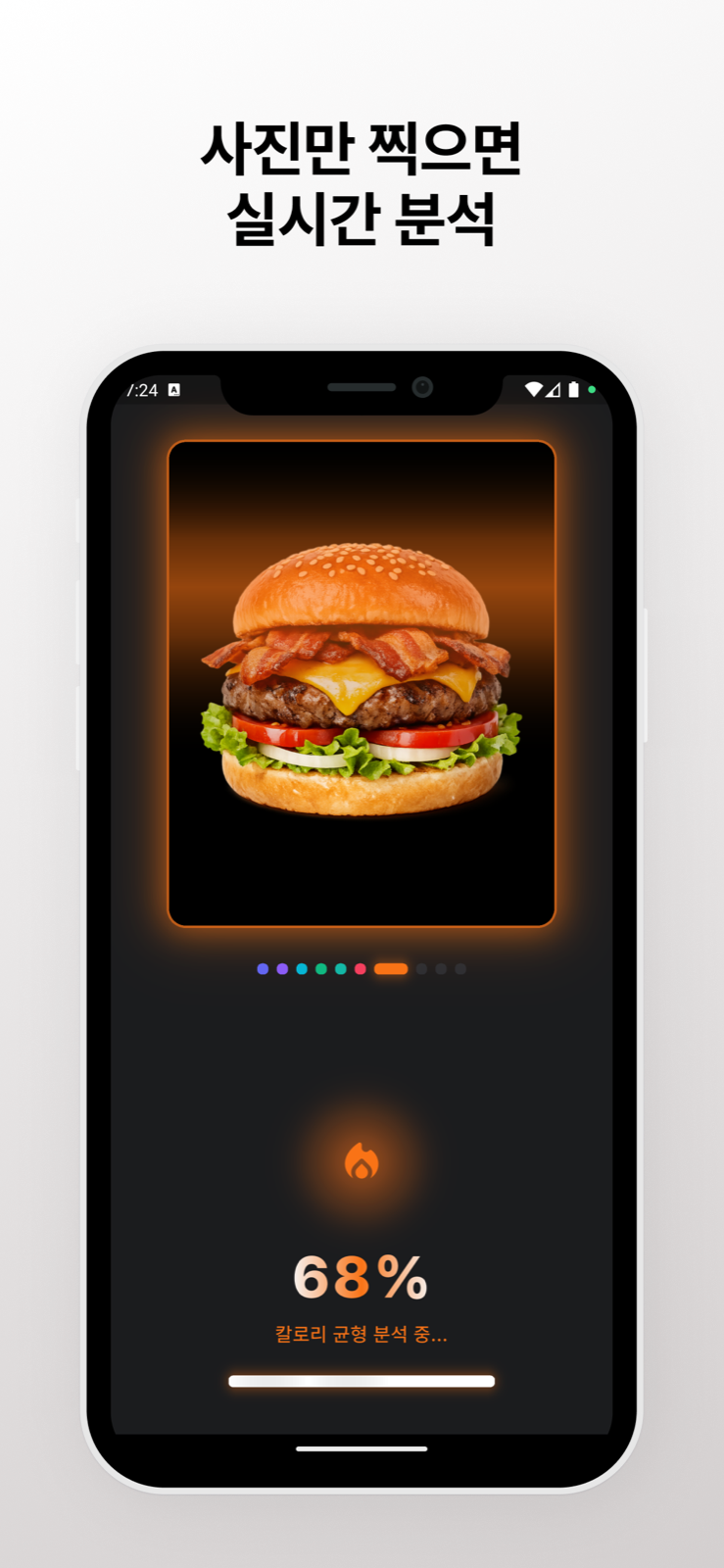
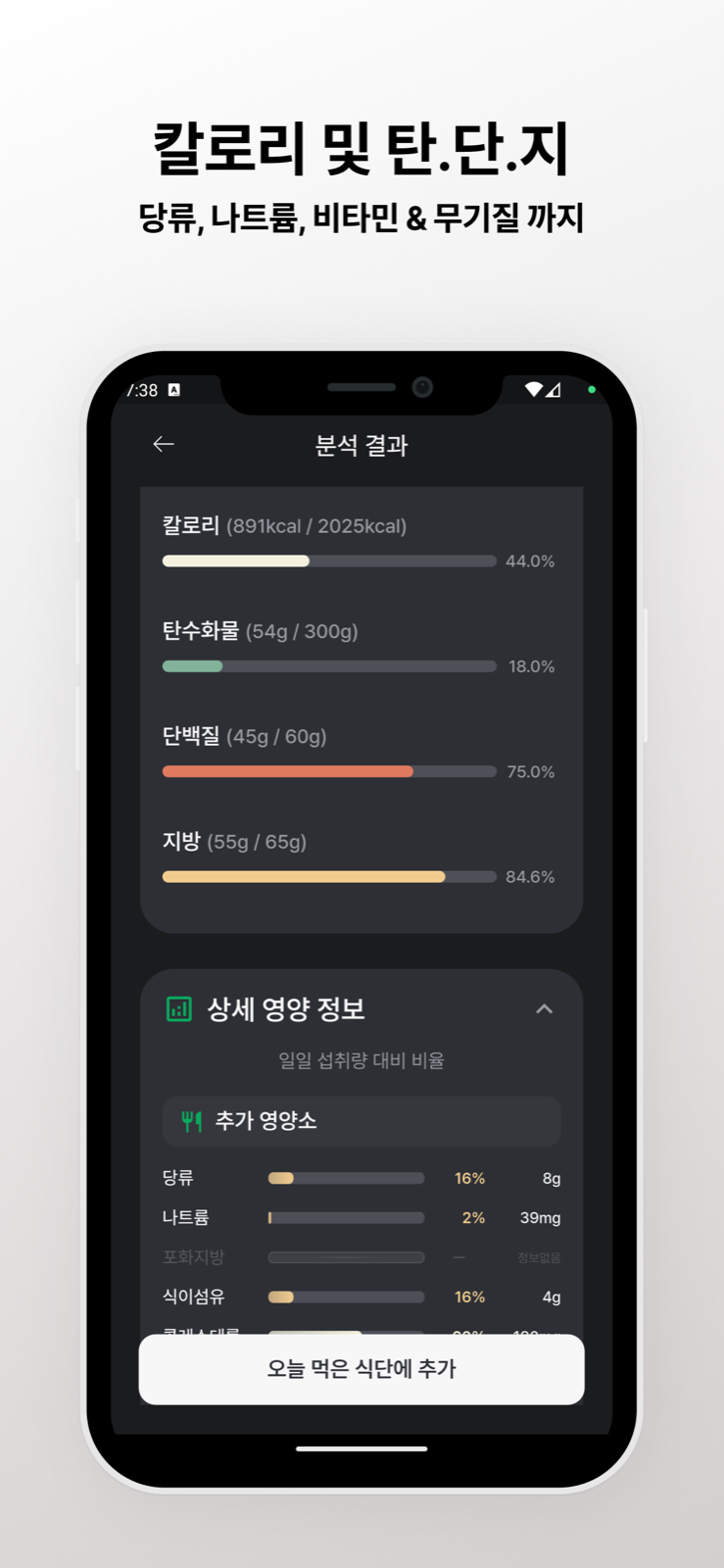
Snap a photo to check calories and nutrition instantly, then keep your meal log in one place.