Introduction
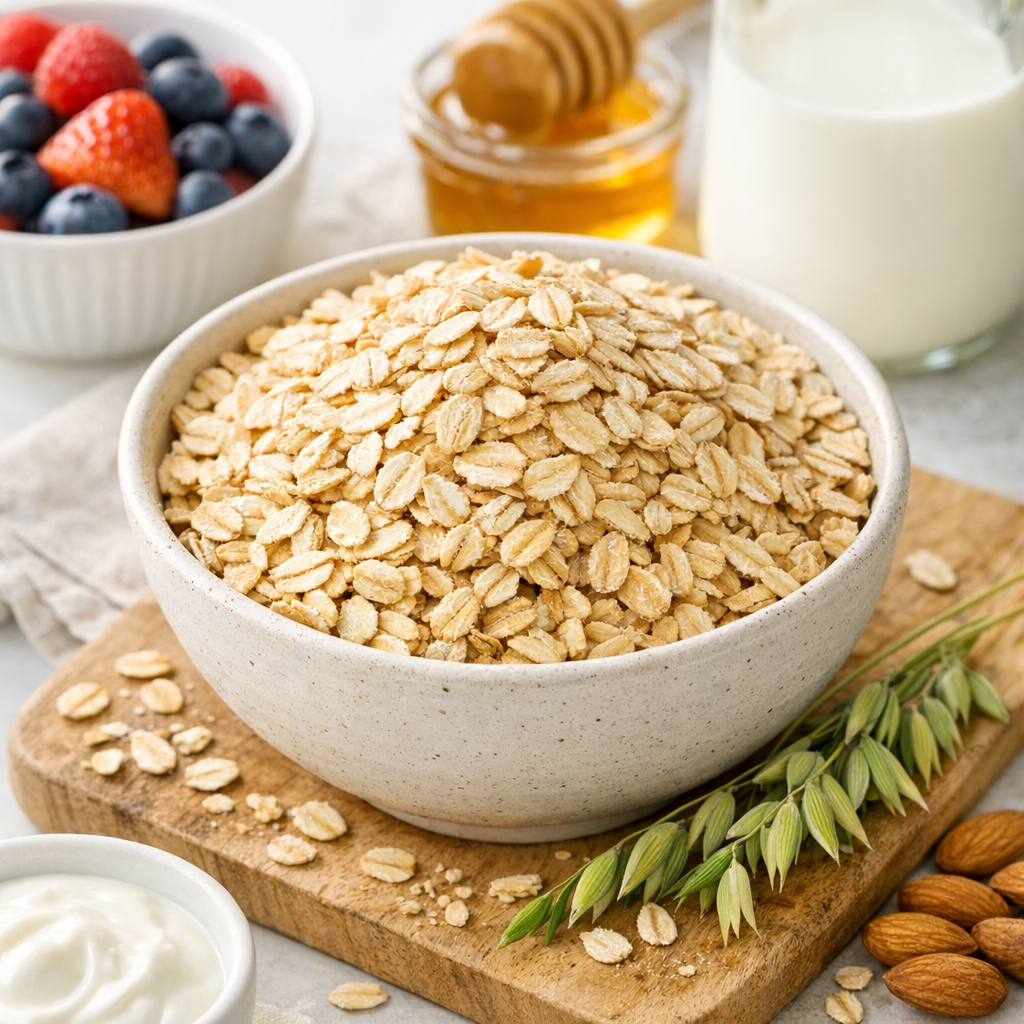
If there’s one pantry staple that quietly earns its “superfood” reputation without the hype, it’s oats. Maybe you grew up with a warm bowl of porridge on chilly mornings, or maybe oats only show up in your life as the crunchy topping on a muffin you grab on the go. Either way, oats have a way of feeling both comforting and practical—like the food version of a cozy blanket that also gets things done. 🥣
What I love most about oats is how simple they are… and how much they give back. For such a humble grain, oats are packed with nutrition that genuinely supports everyday health. We’re talking steady energy (no mid-morning crash), satisfying fullness, and some impressive heart-friendly perks—all from something that costs just a few coins per serving. And if you’ve ever stood in the cereal aisle wondering, “Are rolled oats the same as steel-cut? What about instant?”—you’re definitely not alone.
In this post, we’re going to break down oats nutrition in a clear, no-stress way. You’ll learn what’s actually inside that bowl: the balance of carbohydrates, protein, and healthy fats, plus key vitamins and minerals like manganese, magnesium, iron, and B vitamins. We’ll also chat about one of oats’ star features—beta-glucan, a special type of soluble fiber that’s been shown in research to help support healthy cholesterol levels and keep you feeling fuller for longer. ❤️
Of course, nutrition is only helpful if it fits into real life. So we’ll cover the most delicious, realistic ways to eat oats: classic porridge (with both metric and imperial portions), overnight oats for busy mornings, blending oats into smoothies, baking with oat flour, and even savory oat bowls if you’re not into sweet breakfasts. I’ll also share tips on choosing the right type of oats for your goals—whether you want quicker cooking, extra chew, or better blood-sugar steadiness.
Basically: if oats have been “just breakfast” to you, get ready to see them in a whole new light. 🌾
📊 Complete Nutritional Analysis
Per 100g:
🔥 Calories: 389 kcal
🍚 Carbohydrates: 66.3g
💪 Protein: 16.9g
🥑 Fat: 6.9g
🍬 Sugar: 0.9g
🌾 Fiber: 10.6g
🧂 Sodium: 2mg
🩸 Cholesterol: 0mg
Oats (per 100 g dry) are a nutrient-dense whole grain that deliver a balanced mix of complex carbs, plant protein, and healthy unsaturated fats. Their standout feature is fiber—especially beta-glucan (not listed separately here), a soluble fiber well known for supporting healthy LDL cholesterol levels and helping you feel full longer. With very little sugar and naturally low sodium, oats make an easy base for heart-friendly meals. They also provide meaningful minerals like magnesium and phosphorus for energy and bone support, plus iron for oxygen transport—especially helpful when paired with vitamin C-rich fruit to improve absorption. Manganese is particularly abundant, supporting antioxidant enzymes and metabolism. For the best nutrition, choose plain rolled or steel-cut oats and sweeten with fruit, cinnamon, or a small amount of honey rather than lots of added sugar. Cook with milk or fortified soy milk for extra protein and calcium, or add nuts/seeds for more healthy fats and staying power.
Key Vitamins
Thiamin (Vitamin B1): 0.763mg (64% DV)
Thiamin helps your body turn the carbohydrates in oats into usable energy, which is why it’s so tied to steady, all-day fuel. It also supports normal nerve signaling and healthy heart function. Because oats are often eaten at breakfast, their B1 content can meaningfully contribute to your daily intake and help keep energy metabolism running smoothly, especially in active lifestyles.
Folate (Vitamin B9): 56µg (14% DV)
Folate is essential for making DNA and supporting normal cell division, which makes it especially important during periods of growth and pregnancy. It also helps form healthy red blood cells. While oats aren’t the highest-folate food, a hearty serving can still contribute to your daily needs—particularly when paired with folate-rich toppings like berries, oranges, or leafy greens in a smoothie.
Vitamin B6: 0.119mg (7% DV)
Vitamin B6 supports protein metabolism and helps your body make key brain chemicals involved in mood and focus. It also plays a role in immune function and hemoglobin formation (the oxygen-carrying part of red blood cells). Oats provide a modest amount, and they pair well with other B6 sources—like bananas, yogurt, or nuts—for a breakfast that supports both energy and mental clarity.
Essential Minerals
Manganese: 4.92mg (214% DV)
Manganese is a trace mineral that acts as a helper for enzymes involved in energy production, antioxidant defense, and bone formation. Oats are one of the standout dietary sources, so even one bowl can contribute a lot. This matters because manganese supports normal metabolism and helps the body manage oxidative stress—one reason whole grains like oats are linked with long-term health benefits.
Phosphorus: 523mg (42% DV)
Phosphorus is best known for its role in building strong bones and teeth, working closely with calcium and vitamin D. It’s also essential for producing ATP—the body’s main energy molecule—so it supports everyday energy and cellular function. Oats provide a solid amount, which can be helpful for people who rely on plant-based staples, since phosphorus is present in many whole foods.
Magnesium: 177mg (42% DV)
Magnesium supports muscle and nerve function, heart rhythm, and normal blood pressure regulation. It’s also involved in hundreds of enzyme reactions, including those that help your body use carbohydrates and fats for energy. Oats are a reliable magnesium source, and combining them with magnesium-rich add-ins like pumpkin seeds, almonds, or cocoa can make a breakfast that’s especially supportive for active days and stress management.
Iron: 4.72mg (26% DV)
Iron helps carry oxygen through the blood and supports energy levels and cognitive function. Oats contain non-heme iron (the plant form), which is absorbed better when you eat it with vitamin C. A practical tip: top oats with strawberries, kiwi, or a squeeze of lemon, or enjoy them with a small glass (about 120 ml/4 fl oz) of orange juice to boost iron absorption.
💚 Health Benefits
1. Supports Heart Health (Helps Lower LDL Cholesterol)
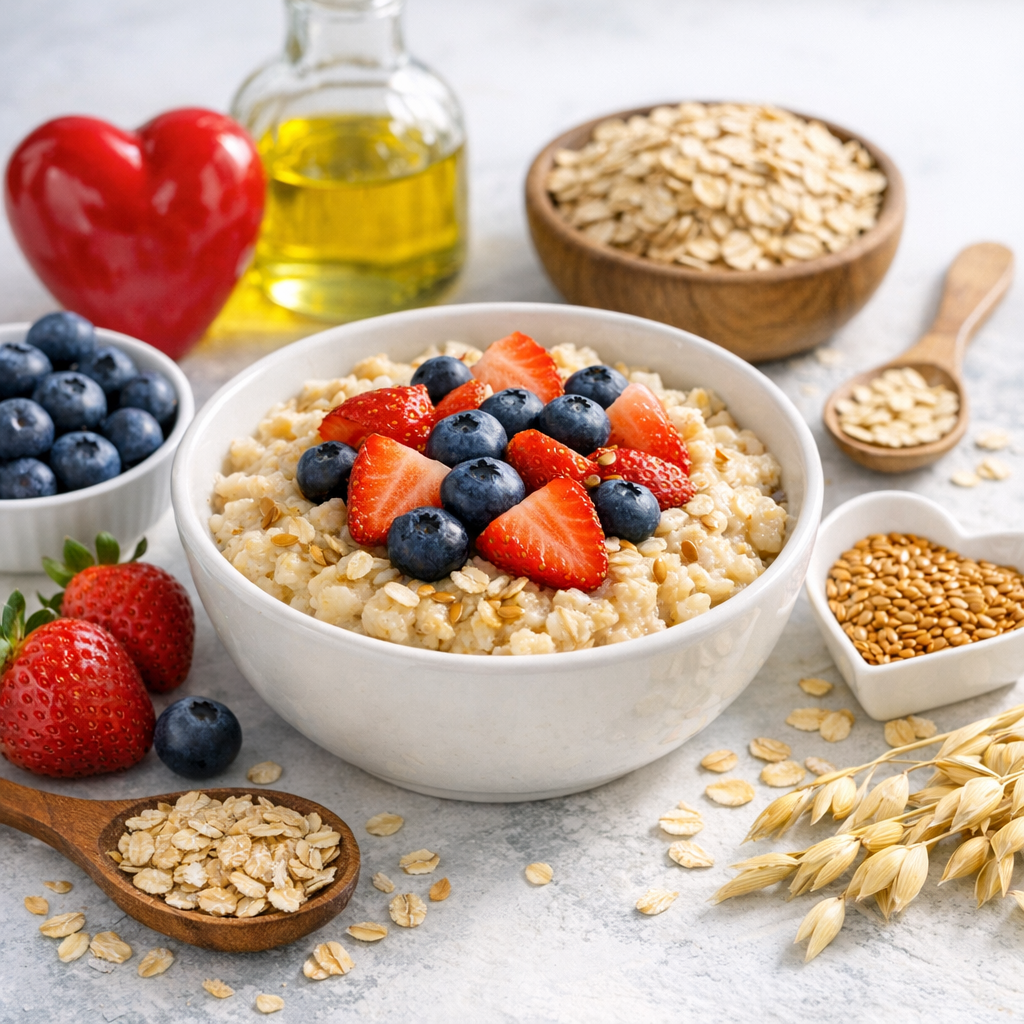
Oats are best known for their heart-friendly fiber, especially a type called beta-glucan. Beta-glucan forms a gel-like texture in your gut, which helps reduce the absorption of cholesterol and encourages your body to use circulating cholesterol to make bile acids. Multiple high-quality studies show that regularly eating oat beta-glucan can lower LDL (“bad”) cholesterol, a key risk factor for cardiovascular disease. In everyday terms: a simple bowl of oatmeal can be one of those small habits that adds up over time.
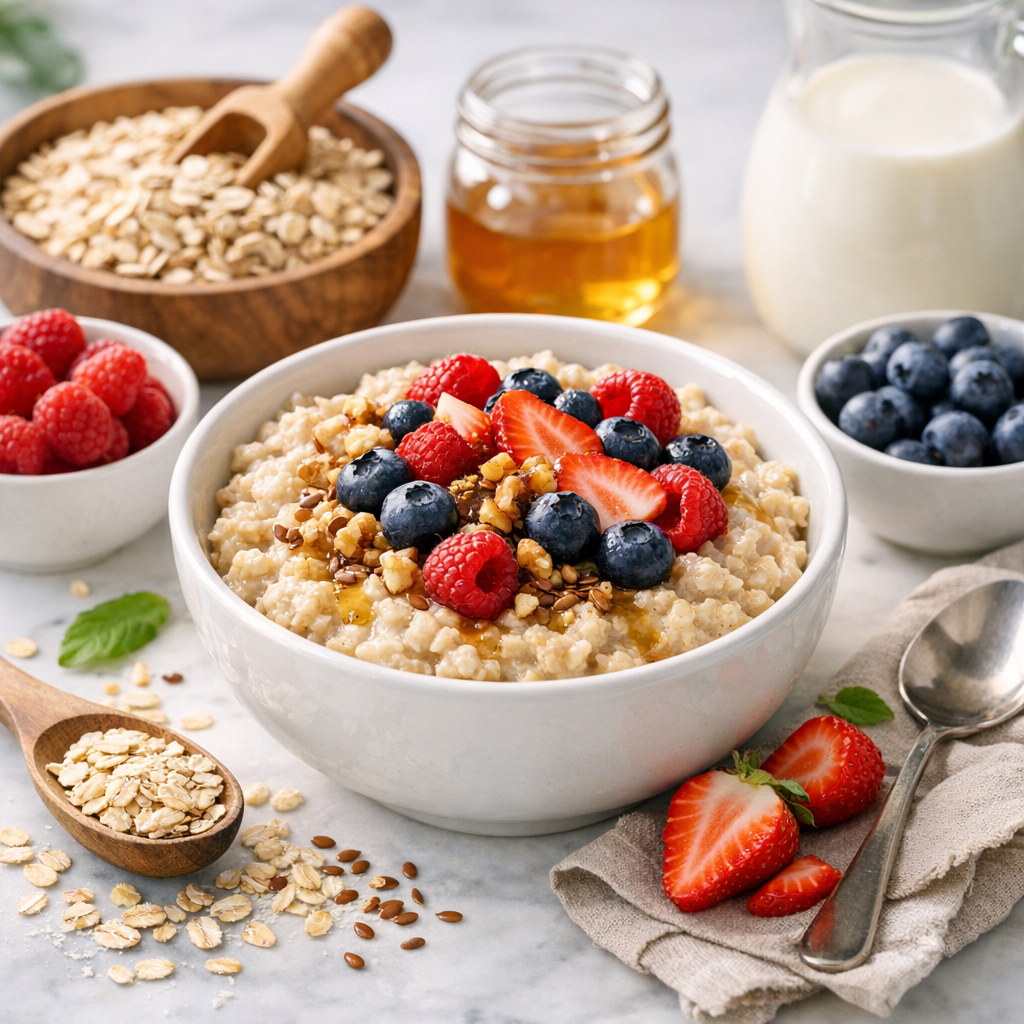
A practical target used in research is about 3 grams of oat beta-glucan per day, which you can often get from roughly 60–90 g (about 2/3–1 cup dry) rolled oats, depending on the product. If you’re new to oats, start smaller (like 40 g / 1/2 cup dry) and build up—your digestive system will appreciate the gradual change. For a heart-smart breakfast, try oats topped with berries and a spoon of nuts or ground flax; you’ll get extra unsaturated fats and antioxidants without much effort.
This benefit is strongest when oats replace more refined, low-fiber carbs (like sugary cereals or pastries) and when paired with an overall balanced diet and lifestyle.
Key Nutrients: Beta-glucan (soluble fiber), Total dietary fiber, Avenanthramides (polyphenols), Unsaturated fatty acids, Magnesium, Potassium
2. Improves Blood Sugar Control and Insulin Response
Oats can be a great ally for steadier energy and blood sugar—especially when you choose minimally processed oats (steel-cut or rolled) rather than instant, heavily sweetened versions. The key is their soluble fiber (beta-glucan), which slows how quickly food leaves your stomach and how fast carbohydrates are absorbed. That can translate to a gentler rise in blood glucose after eating.
Research in people with and without type 2 diabetes shows that oat beta-glucan can reduce post-meal glucose spikes and improve insulin responses. This doesn’t mean oats “cure” diabetes, but they can be a smart carbohydrate choice within a balanced meal plan. If you’re aiming for better blood sugar stability, make your bowl more “balanced”: add protein (Greek yogurt, milk/soy milk, or a scoop of protein powder) and healthy fats (nut butter, chia seeds, walnuts). Those additions can further slow digestion and help you feel satisfied longer.
Portion size still matters. A common serving is 40–60 g dry oats (about 1/2–2/3 cup) cooked with water or milk. If you monitor glucose, you may find your personal sweet spot by adjusting portion size and toppings. Also, letting oats cool (like in overnight oats) can increase resistant starch slightly, which may support a more gradual glucose response for some people.
Key Nutrients: Beta-glucan (soluble fiber), Resistant starch (more in cooled oats/overnight oats), Total dietary fiber, Magnesium, Polyphenols (including avenanthramides)
3. Promotes Gut Health and Regularity
If your digestion feels a bit sluggish, oats are one of the most practical foods to bring in. They contain a mix of soluble fiber (beta-glucan) and insoluble fibers that help support comfortable, regular bowel movements. Insoluble fiber adds bulk and helps stool move along, while soluble fiber holds onto water and can soften stool—useful for many people who struggle with constipation.
Beyond “keeping things moving,” oats also feed beneficial gut microbes. Beta-glucan and other oat fibers act like prebiotics, meaning your gut bacteria can ferment them and produce short-chain fatty acids (SCFAs) such as butyrate. SCFAs are linked with a healthier gut environment and may support the gut barrier and immune signaling. While gut health is complex and varies person to person, increasing fiber from whole foods like oats is consistently associated with better digestive outcomes.
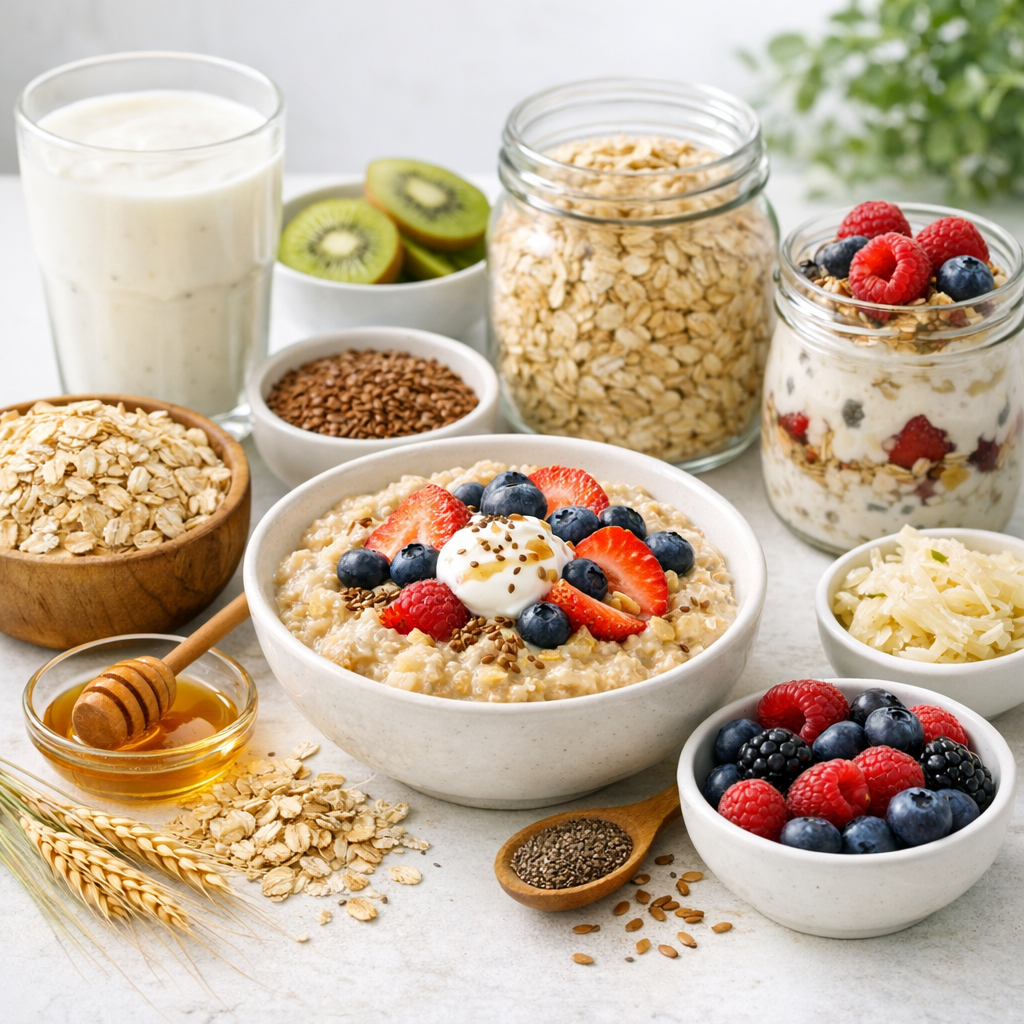
To make this benefit work for you, increase oats gradually and drink enough fluids—fiber works best with water. A simple habit: swap one refined-grain breakfast for oats a few times a week, or add 1–2 tablespoons (10–20 g) of oats to smoothies, yogurt, or soups for a gentle fiber boost. If you’re sensitive to high fiber, choose well-cooked oats and start with smaller portions until your gut adapts.
Key Nutrients: Beta-glucan (soluble fiber), Insoluble fiber, Prebiotic fibers, Short-chain fatty acid precursors (via fermentation), Phytochemicals (polyphenols)
4. Supports Healthy Weight Management (Satiety and Appetite Control)
Oats can make it easier to feel satisfied after a meal, which is a big deal if you’re trying to manage your weight without feeling deprived. Thanks to beta-glucan, oats become thick and creamy when cooked, and that viscosity slows digestion and promotes fullness. Studies comparing oat-based breakfasts with lower-fiber breakfasts often find greater satiety and reduced hunger later in the day.
This isn’t magic—calories still count—but oats can be a “high return” food because they’re filling for the calories they provide. For many people, that translates into fewer snack cravings and more stable energy. The best results usually come from building a balanced bowl: oats + protein + healthy fats + fruit/veg. Think: 50 g (about 1/2 cup) rolled oats cooked with milk/fortified soy milk, topped with berries and 1 tablespoon (16 g) peanut butter or a handful of nuts.
Watch out for common oat pitfalls: sugar-heavy instant packets, oversized portions, and “dessert oatmeal” loaded with syrup and candy-like toppings. If you like sweetness, use fruit, cinnamon, or vanilla, and keep added sugars modest. Also, if you’re very active, you may need a larger portion; if you’re less active, you may do best with a smaller bowl plus extra protein.
Key Nutrients: Beta-glucan (soluble fiber), Total dietary fiber, Protein (higher than many grains), Resistant starch (variable), Healthy fats (small amount, mostly unsaturated)
5. Provides Steady, Nutrient-Dense Energy (Great for Everyday Performance)
Oats are a simple, budget-friendly way to get long-lasting energy along with key vitamins and minerals. Compared with many refined breakfast foods, oats deliver more fiber, more protein, and a better mix of micronutrients—so you’re not just getting “quick carbs.” That combination can support steadier energy for workdays, school mornings, and workouts.
From a nutrition standpoint, oats provide complex carbohydrates for fuel, plus minerals like magnesium and iron that play roles in energy metabolism and oxygen transport. They also contain B vitamins (like thiamin) that help your body convert food into usable energy. For athletes and active folks, oats are a classic pre-workout meal: easy to digest when cooked, customizable, and gentle on the stomach for many people.
To keep the energy “steady,” pair oats with protein and avoid going too heavy on added sugars. A practical idea: make overnight oats with 40–60 g (1/2–2/3 cup) oats, 200–250 ml (3/4–1 cup) milk or fortified plant milk, and add chia seeds plus fruit. If you need extra calories (hard training, busy days), add nuts, seeds, or yogurt. If you’re aiming for a lighter meal, stick to a moderate portion and lean toppings.
Overall, oats are one of those foundational pantry foods that support consistent nutrition without requiring fancy cooking skills.
Key Nutrients: Complex carbohydrates (starch), Protein, Thiamin (Vitamin B1), Folate and other B vitamins (small amounts), Iron, Magnesium, Zinc, Manganese
6. Offers Antioxidant and Anti-Inflammatory Support
Oats aren’t just about fiber—they also contain unique antioxidants, especially avenanthramides. These compounds are found mostly in oats (not many other grains) and have been studied for their antioxidant activity and potential to support healthy blood vessel function. Antioxidants help protect cells from oxidative stress, which is one of the processes involved in aging and many chronic conditions.
Human research suggests oat intake can improve markers linked to cardiovascular health, and while much of oats’ benefit is clearly driven by beta-glucan’s cholesterol-lowering effect, the antioxidant profile likely plays a supportive role. Avenanthramides have also been studied for their ability to help reduce inflammation signaling in lab and some human contexts. The key here is to keep expectations realistic: oats aren’t a “detox” food, but they can contribute to an overall dietary pattern that supports healthy inflammation balance.
To make the most of oats’ antioxidant side, combine them with other colorful plant foods—berries, apples, cocoa, cinnamon, or even grated carrots in baked oats. This creates a naturally antioxidant-rich meal without relying on supplements. Also, choosing less processed oats and storing them properly (cool, dry place) helps preserve quality and flavor.
If you’re sensitive to gluten, note that oats are naturally gluten-free but are often contaminated during processing—look for certified gluten-free oats if needed.
Key Nutrients: Avenanthramides (unique oat polyphenols), Other polyphenols, Vitamin E (tocopherols, small amounts), Beta-glucan (indirect antioxidant/anti-inflammatory support via metabolic effects), Minerals that support antioxidant enzymes (manganese, zinc)


⚖️ Calorie Comparison
At 389 kcal per 100 g (dry), oats are a relatively energy-dense grain—slightly higher than dry rice, quinoa, and whole-wheat pasta. That’s normal because these foods are all dry staples with little water. The good news: oats often feel more satisfying than many grains thanks to their soluble fiber (beta-glucan), which supports fullness and heart health. In real life, portions matter more than the 100 g comparison: a typical serving is about 40–60 g (about 1/2–3/4 cup dry), and cooking adds water without adding calories. For a balanced bowl, pair oats with protein (Greek yogurt, milk, soy) and fiber-rich toppings (berries, chia) rather than lots of sugar.
- Rolled oats (dry): 389 kcal/100g - Oats sit in the middle of the grain world calorie-wise, but they’re especially filling thanks to beta-glucan fiber. They’re a go-to for creamy porridge, overnight oats, or baking, and they pair well with fruit, yogurt, or nuts for balanced energy.
- White rice (dry, unenriched, long-grain): 365 kcal/100g - Dry white rice is a bit lower in calories per 100g than oats, but it’s typically less fiber-rich. It’s very versatile (pilafs, stir-fries, bowls), yet it may feel less satiating unless you add protein, veggies, and healthy fats.
- Brown rice (dry, long-grain): 370 kcal/100g - Brown rice lands close to white rice in calories, but with more fiber and micronutrients because the bran is kept. It has a nuttier taste and chewier bite. For steadier energy, combine it with beans, lentils, fish, or tofu.
- Quinoa (dry): 368 kcal/100g - Quinoa is similar in calories to rice and slightly below oats, but it stands out for its higher protein quality (it contains all essential amino acids). It cooks fluffy and works in salads, bowls, and breakfast porridge-style dishes.
- Whole-wheat pasta (dry): 348 kcal/100g - Whole-wheat pasta is notably lower in calories per 100g dry than oats, and it still brings fiber and a hearty flavor. It’s an easy base for balanced meals—just watch creamy sauces and aim for veggie-rich toppings and lean proteins.
🎯 How to Consume for Your Goals
Weight Loss
Recommended Amount: 30–40 g (about 1/3–1/2 cup dry oats) cooked with water or unsweetened milk. This provides ~117–156 kcal, ~20–27 g carbs, ~5–7 g protein, ~2–3 g fat (based on 389 kcal, 66.3 g carbs, 16.9 g protein, 6.9 g fat per 100 g).
Best Timing: Breakfast, or 60–90 minutes before your usual snack-craving time (often mid-morning or mid-afternoon).
For weight loss, oats work best when they keep you full without turning into a “calorie trap.” Start with 30–40 g dry oats and build volume with water, grated apple/zucchini, or berries. Add protein to stay satisfied: 150–200 g (5–7 oz) Greek yogurt, a scoop of protein, or 2 eggs on the side. Keep fats and sugars measured—nut butter, honey, and dried fruit add up fast—so use 1 tsp (5 g) chia/flax or 10–15 g (1 tbsp) nuts instead of large handfuls. Aim for a thicker texture (less liquid) and eat slowly. If you’re hungry soon after, increase protein first, not oats.
Muscle Building
Recommended Amount: 60–100 g (about 2/3–1 cup dry oats), paired with a high-protein add-on. This provides ~233–389 kcal, ~40–66 g carbs, ~10–17 g protein, ~4–7 g fat per serving (based on values per 100 g).
Best Timing: 1–3 hours pre-workout for training fuel, or within 2 hours post-workout paired with protein (especially after intense lifting).
Oats are a reliable “training carb” that helps you push harder in the gym and refill muscle glycogen afterward. For a muscle-building bowl, use 60–100 g oats and add 25–40 g protein: whey/plant protein, 250 ml (1 cup) milk, or 200 g (7 oz) Greek yogurt. Include a small amount of fat for calories and hormone support—about 1 tbsp (15 g) peanut butter or 20–30 g (1 oz) nuts—especially if you struggle to eat enough. Add banana or raisins for quick carbs on heavy training days. If you feel too full pre-workout, switch to blended oats in a smoothie or reduce fiber by choosing quick oats.
General Health
Recommended Amount: 40–60 g (about 1/2–2/3 cup dry oats) most days. This provides ~156–233 kcal, ~27–40 g carbs, ~7–10 g protein, ~3–4 g fat (based on values per 100 g).
Best Timing: Breakfast is easiest for routine, but oats also work well as an afternoon snack to steady energy (e.g., overnight oats).
For everyday health, think “balanced bowl.” Use 40–60 g oats and include three extras: protein (yogurt, milk, soy drink, or eggs), color (berries, sliced pear, or pumpkin), and healthy fats (chia/flax, walnuts, or a little nut butter). This combo supports steady energy and helps keep the meal satisfying. Keep added sugars low—cinnamon, vanilla, cocoa, or mashed banana can sweeten naturally. If you have digestive sensitivity, start with smaller portions and increase gradually, and drink water alongside. For variety, try savory oats with spinach, mushrooms, and a poached egg, or overnight oats for a grab-and-go option.
Final Thoughts
Oats really are one of those everyday foods that quietly do a lot of heavy lifting for your health. With their fiber—especially beta-glucan—plus plant protein, B vitamins, and minerals like iron and magnesium, they’re a simple way to support steady energy, better digestion, and heart health. And the best part? They’re endlessly flexible. Whether you love a cozy bowl of porridge, overnight oats on busy mornings, or a handful stirred into smoothies and baking, oats can fit into almost any culture’s comfort foods and flavors.
For the tastiest, most nourishing bowl, try pairing oats with a protein (Greek yogurt, milk/soy milk, or nut butter) and colorful toppings like berries, banana, cinnamon, or chopped nuts. That combo helps keep you fuller for longer and makes breakfast feel like a treat—not a chore. If you’re watching added sugars, let fruit and spices do the sweetening, and choose plain oats whenever you can.
I’d love to hear how you enjoy your oats—classic and simple, or loaded with fun toppings? If you found this post helpful, please share it with a friend who’s trying to eat a little healthier, and drop your favorite oat recipe in the comments. If you have more questions about oats, leave a comment below and I’ll be happy to answer!
Here’s to small, delicious choices that add up—one warm, wholesome bowl at a time 💛🥣✨
📱 Track Food Faster with Dieter
Snap a photo to check calories and nutrition instantly, then keep your meal log in one place.